WARNING: This article contains images of physical injuries that may be distressing to some readers.
The Body-Mind Remembers Before the Head-Mind Understands
There’s a moment in any brush with danger where the world contracts into a single moment in time and space. No philosophy, no theory, no tidy explanations. Just sensation, timing, impact and response.
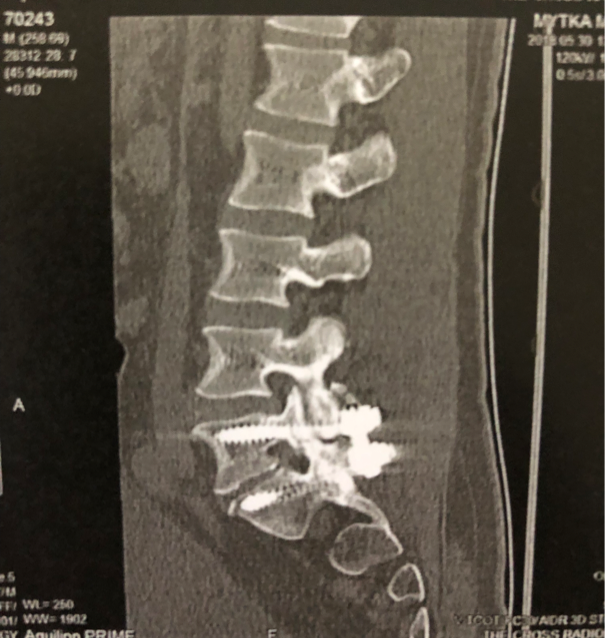
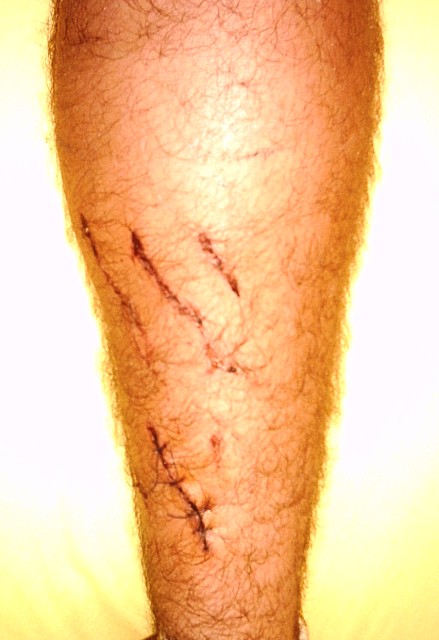
When I think about the injuries I’ve had like broken vertebrae, punctured lungs, lacerated spleens, torn ligaments, reef cuts, head gashes and busted ribs, I don’t see them as symbols of toughness. I have learned to sense them as reminders that the body-mind often understands long before the head-mind knows what it’s understanding. And learning to have coherence between the two is a lifelong practice.
And that’s the thread I want to pull here. Because the older I get, the more obvious it becomes that our lived experience is the best grounding of knowledge.
Early Lessons in Embodied Cognition
When I was 28, I wrote an undergraduate essay about the phenomenology of bricklaying, mountain biking, bodyboarding and street fighting. This wasn’t some romanticising of danger and violence. I wrote it because those were the places I first learned how cognition actually works. It was felt, sensed, lived experience that taught me about perception, proprioception, interoception, action, and the body-mind and head-mind relationship.
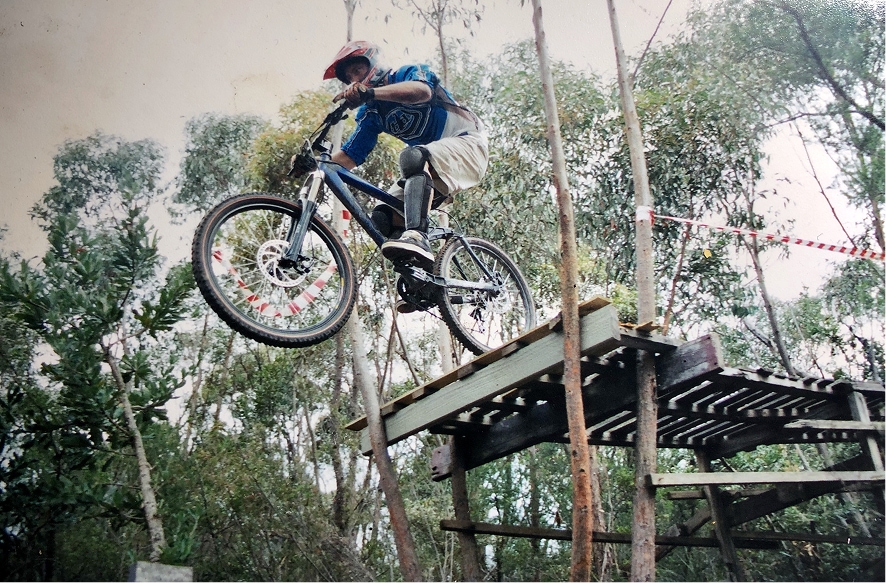
I didn’t learn Merleau-Ponty from a book. I learned how his ideas of embodiment connected to downhill line selection at speed with real consequence. I learned Varela reflecting on moments where the world hit back and my body had to respond in microseconds. How the last slapping down of clay on a dirt jump kicker with my shovel created trajectory and momentum given a certain run-up speed and take-off angle. And when I would hit that jump wrong, I learned how my body-mind would remember the error long after my conscious head-mind had moved on.
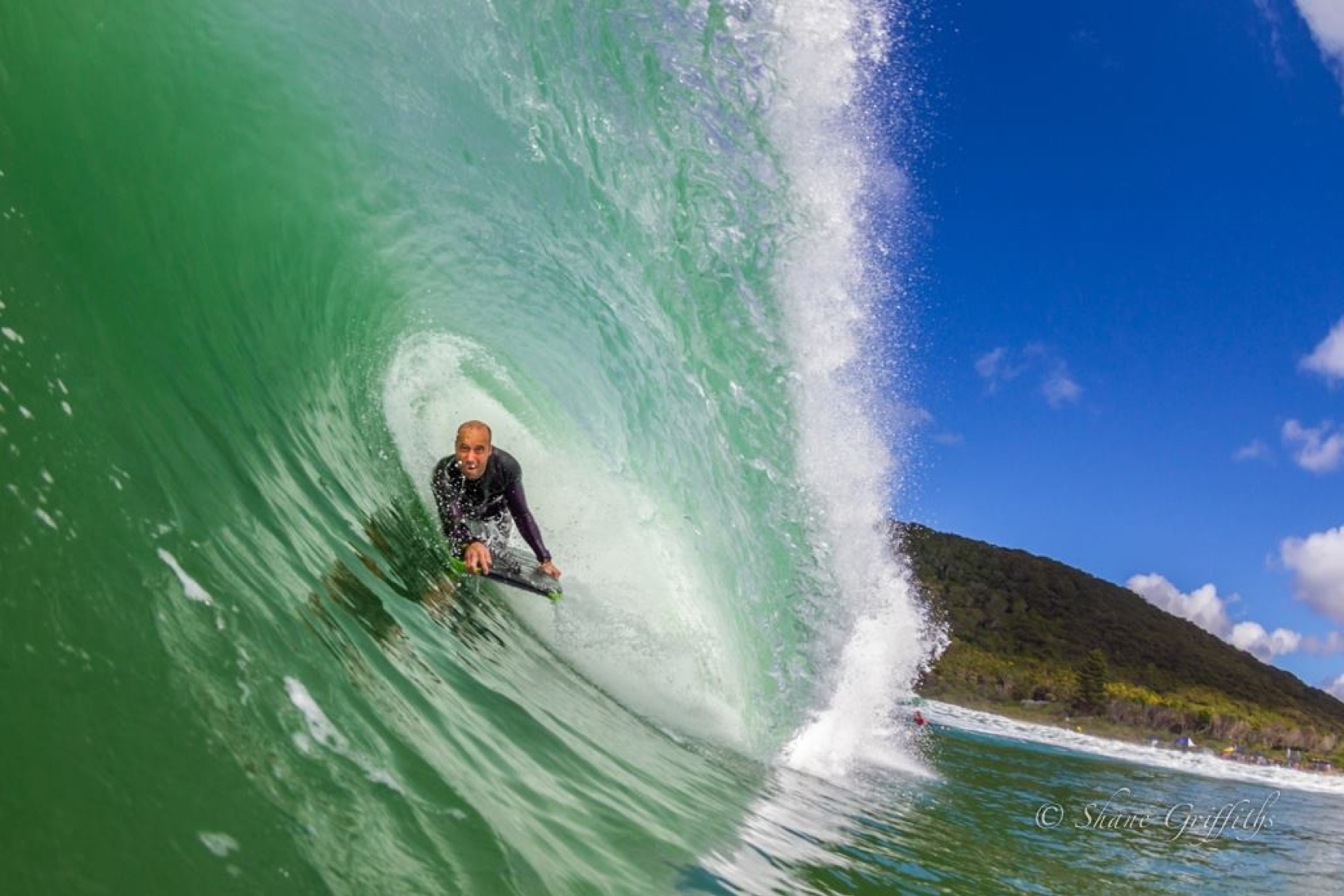
In the ocean, I learned how my bodyboard was an extension of my sensing. How reading wave faces, currents, wind and tides was a dance of timing, flow and pressure gradients. How I could feel the energy and likely trajectory of a breaking wave through my board and body-mind. How reef breaks demanded respect because the consequences of misreading the environment were visceral.

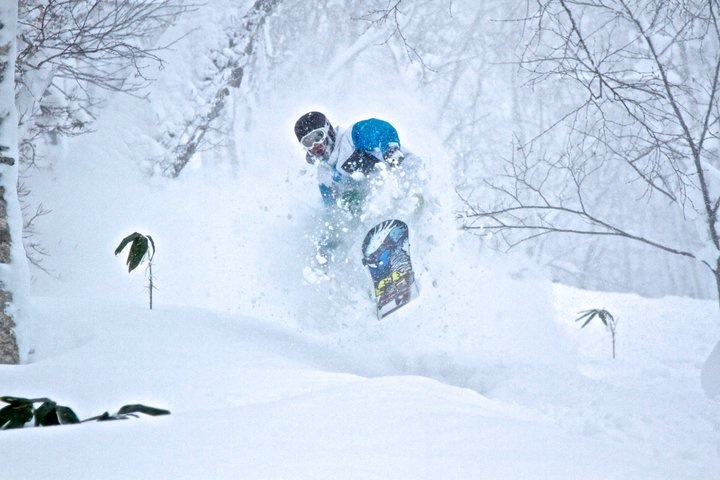
In the snow I learned the world through timing, flow, fear, courage, pressure gradients, the way terrain speaks to your joints, and the way the frozen water pulls you into different futures. Wrong moves going fast have real consequences with trees and hidden obstacles underneath the fluffy powder snow. You learn to read the terrain, the snow conditions, the weather, your own body-mind state. You learn to partner with an unpredictable medium that demands your full attention and presence.
The theory only came later at university years later, giving language to things my body-mind already knew and my fascia already felt.
Life as teacher of knowing
These extreme sports and manual crafts were my first teachers in embodied cognition. They showed me that knowledge isn’t just propositional (i.e., facts and concepts). It’s also procedural (knowing how to do things), participatory (knowing that comes from being engaged in a practice in the world), and perspectival (knowing from where).
And I’m not sharing any of this to claim some special insight. Quite the opposite.
Every person has their own archive of lived intelligence and embodied knowing. Parenting, caregiving, tending gardens, surviving setbacks, metabolising grief and heartbreak, navigating illness, being in community and relationships. Being and becoming human in all it’s beautiful chaordic complexity. These aren’t soft forms of knowing. They are the deepest ones.
Take a moment to reflect on your own life. What experiences have shaped your understanding of the world? What sensations, intuitions, and embodied knowings have guided you through challenges and joys alike? Helped you navigate relationships, work, personal growth, and existential questions?
These experiences are rich sources of knowledge.
But our WEIRD (Western, Educated, Industrialised, Rich, Democratic) culture trains us to dismiss knowledge as anecdotal and unscientific.
The Propositional Tyranny
John Vervaeke the well known cognitive scientist calls this propositional tyranny. The prioritisation or dominance of abstract, linguistic, representational knowledge over lived experience.
We are taught that:
- intuition is unreliable
- sensation is “just emotional”
- stories are subjective
- embodied knowledge is inferior
And at the same time we’re told that “the map” is what counts. But here’s how I’ve come to frame it:
- The field is the relational web we’re entangled with.
- The territory is our lived, embodied experience of that field.
- The map is the conceptual and representational layer we draw afterwards.
Our WEIRD culture collapses these into one and pretends only the map matters. But the texture of life lives in the differences. In the sensed spaces between.
And when you break the propositional spell, everyday life becomes as rich as any extreme moment. Raising a child with all the challenges and joys and learnings and love is embodied cognition. Cooking for your family, friends or neighbours is relational intelligence. Crying after a conversation because you care is field sensing and meaning moving through through you. Listening to your dog speak or the ravens communing with you is phenomenological attunement. Dreaming is cognitive improvisation and relational insight. Nurturing a seedling to a sapling and tending the garden is embodied knowing. Driving and navigating traffic is predictive perception and action. Even what might be called “ordinary” moments are alive with felt experience, relational attunement, and embodied knowing. Remembering this is the first step to reclaiming your own lived intelligence.
Your life is a dance of knowing. You’ve simply been taught to forget this.
The Rhythm of Becoming Human Together
Life is a dance worth participating in and everyone’s moves matter. And not just the humans. The more-than-human world is alive with its own rhythms, knowings, and intelligences. When we attune to these rhythms, we find ourselves more deeply connected to the world around us and within us.
Your sensations are not unreliable. Your intuition is not irrational. Your experiences are not insignificant.
Your life IS knowledge.
Reclaiming that truth is how we loosen the grip of modernity’s propositional tyranny and find our way back into the living rhythm of being alive with each other and the more-than-human world.